Big change starts small: one trusted voice, one hour at a time.
Our Mentor Program pairs White County students with screened, trained adults who show up consistently—listening, encouraging, and helping them set and reach real-world goals. Mentors meet students where they are, celebrate strengths, and work on things that matter: confidence, problem-solving, study habits, attendance, people skills and life skills. With simple structure and steady support, students learn they’re capable of more than they thought—and families and schools feel the difference.
Mentor Training: Schedule by Appointment Spring 2026
RSVP to Haley Hobson at haley.hobson@white.k12.ga.us or call 706-969-5066.
Apply to Mentor
Interested in becoming a mentor? Follow these steps:
- Submit an application.
- Schedule a time for training. The Mentor Coordinator will reach out after you submit an application.
- Complete this fillable form to schedule a background check.
- Complete the online Mandated Reporter Module.
- Request a volunteer badge once you know the school where you’ll mentor.
What to Know about Mentoring
- Mentors meet weekly for 30 minutes, typically during a student’s lunch.
- Mentors have the flexibility to meet any school day.
- Mentors meet in approved mentor locations at each school.
- Mentors commit to mentoring for at least one year, but the ideal situation is to commit until your mentee graduates high school.
- Gifts are not expected or encouraged, but some mentors give small gifts to celebrate birthdays or holidays.
- Avoid being on your phone during your meeting.
- Respect your mentee’s confidentiality, but report any possible mandated reporter issues to the Mentor Coordinator.
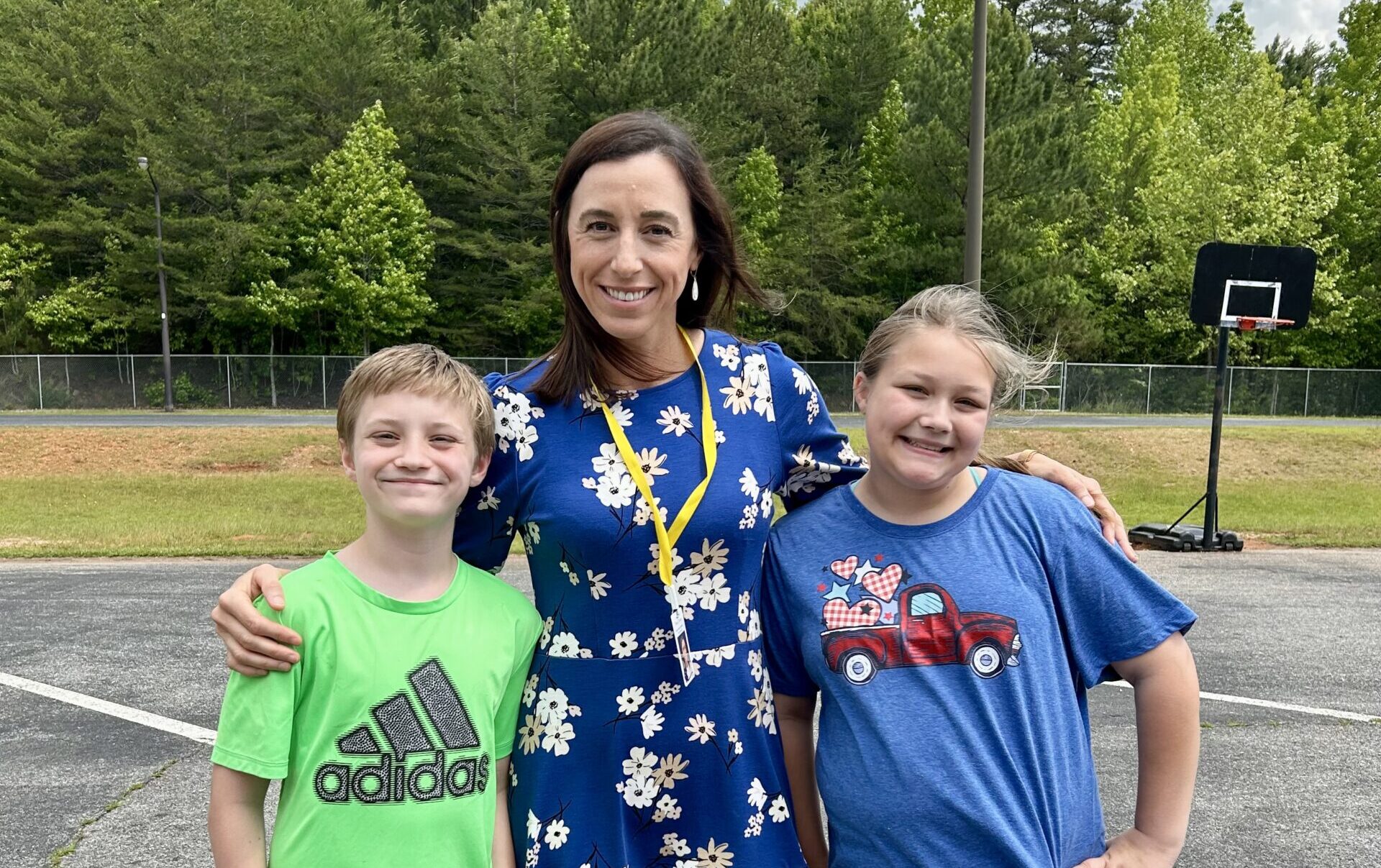
Questions? Contact Haley
Reach out anytime for details, guidance, or next steps.
Haley Hobson, Director of Programs
haley.hobson@white.k12.ga.us
706-969-5066
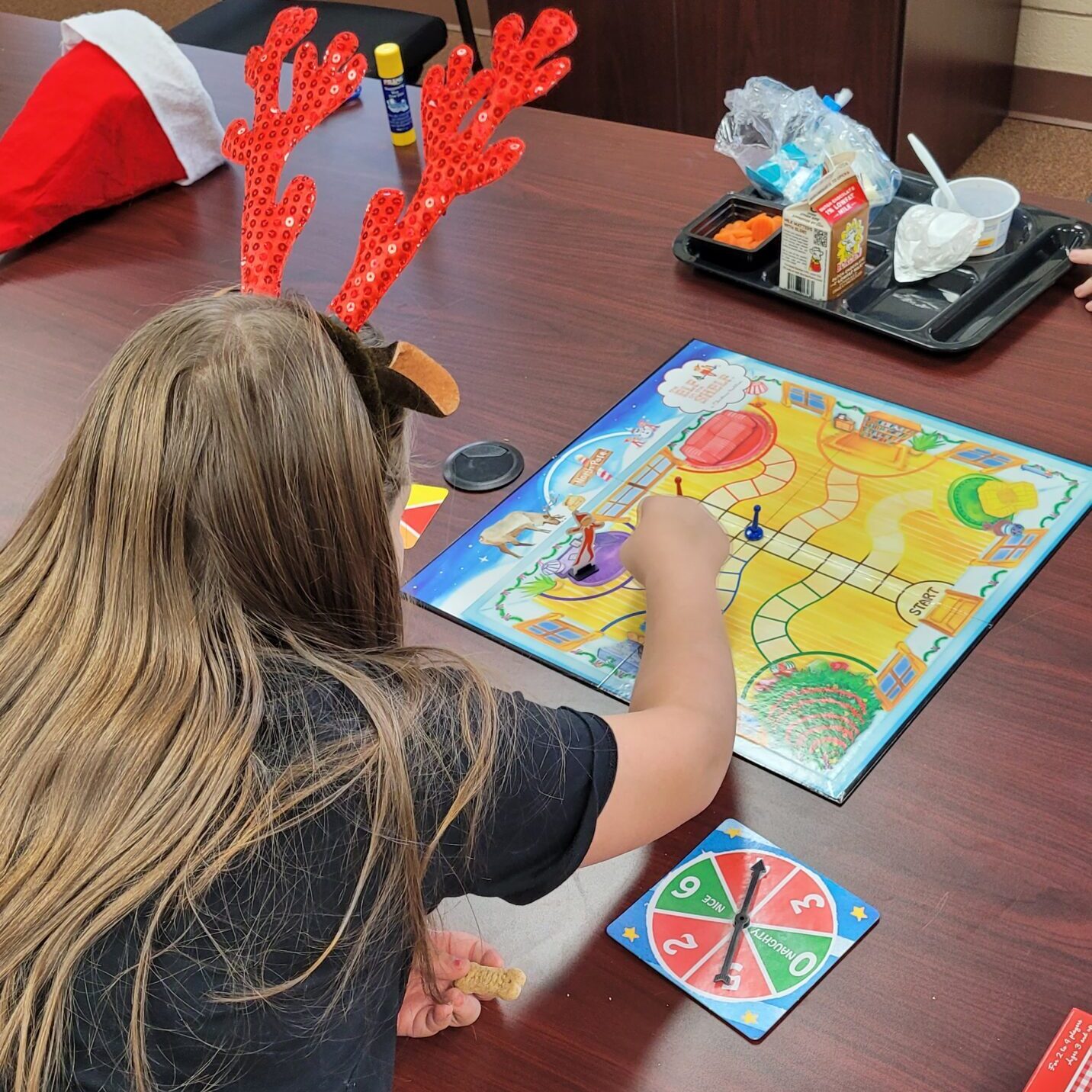
It’s More than “Just Lunch”
By outward appearances, this may look like lunch with a student. But it’s not that simple; it’s so much more.
What you don’t see is a mentor meeting every single week with a child, offering a warm welcome to let the child know he is valued.
You don’t see a child’s guard come down each week because he knows his mentor is a friend he can trust.
You don’t feel the unspoken bond, which allows the child to share the highs as well as lows of his life.
You don’t hear a mentor actively listening, encouraging and asking the right questions so the child can feel heard, valued and able to make beneficial life choices.
You don’t see the quiet fighter in the child’s corner because, honestly, it’s not about the mentor. It’s always been about the child.